
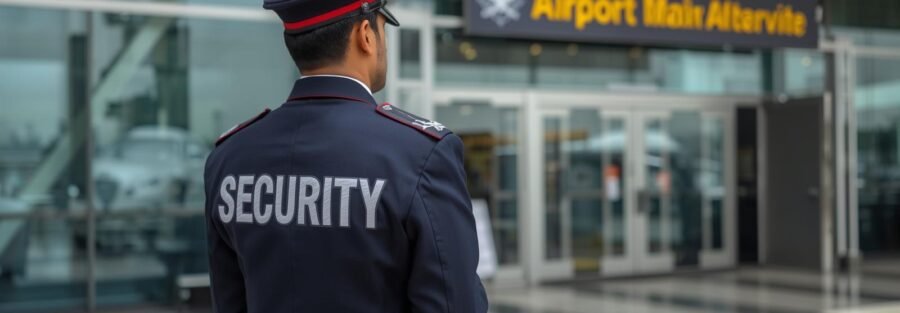
When we think of security guards, we often picture them standing at entrances, monitoring cameras, or patrolling buildings. But did you know they also play a vital role in emergency response situations?
In times of crisis—whether it’s a fire, medical emergency, or security threat—security guards are often the first on the scene. Their rapid response, quick decision-making, and ability to stay calm under pressure make them critical to ensuring the safety of people and property.
Let’s dive into the different ways security guards contribute during emergencies and why their presence is more than just a deterrent to crime.
Why Security Guards Are Essential In An Emergency
Emergencies can strike without warning, and when they do, a swift and organized response is crucial. Security guards are trained to handle these situations efficiently. Here’s why they matter so much:
- First Responders: Often, security guards are the first to see what’s happening and take action before police or medical personnel arrive.
- Trained Professionals: They know how to manage different emergencies, from fire evacuations to de-escalating violent situations.
- Calm Under Pressure: In high-stress scenarios, panic can spread quickly. Security guards help maintain order and prevent chaos.
- Bridge Between Authorities and the Public: They relay critical information to emergency responders, helping them act faster and more efficiently.
With these skills, security guards act as a crucial safety net in unpredictable situations.
Different Types Of Emergencies Security Guards Handle
Emergencies come in many forms, and security guards are trained to respond appropriately to each one. Let’s explore some of the most common crises they deal with.
1. Fire Emergencies
Fires spread rapidly, and time is of the essence. Security guards play a key role in:
- Alerting occupants and guiding them toward exits
- Ensuring everyone evacuates safely
- Using fire extinguishers to control small fires
- Coordinating with the fire department for a swift response
Their quick action can make all the difference in preventing injuries and minimizing damage.
2. Medical Emergencies
Medical emergencies can happen anywhere—offices, shopping malls, hotels, or public spaces. Security guards are often trained in:
- Basic first aid and CPR
- Recognizing medical distress signs (e.g., heart attacks, seizures)
- Assisting individuals until medical professionals arrive
- Directing paramedics to the affected person quickly
These timely interventions can save lives.
3. Security Threats And Crime
From theft to violent confrontations, security guards help keep environments safe by:
- Observing suspicious activity and intervening when necessary
- Detaining suspects until law enforcement arrives
- De-escalating potentially violent situations
- Enforcing access control measures to prevent unauthorized entry
Their presence alone can discourage criminals from acting.
4. Natural Disasters
In events like earthquakes, floods, or severe storms, security guards assist by:
- Helping with evacuations
- Securing safe zones
- Preventing looting or vandalism during chaotic moments
- Directing people to emergency shelters or exits
These actions help protect lives and reduce panic in emergency situations.
How Security Guards Prepare For Emergencies
Handling emergencies isn’t just about reacting in the moment—it requires training and preparation. So, how do security guards stay ready?
Training And Certification
Most security guards undergo specialized training in:
- Emergency response procedures
- First aid and CPR
- Fire safety and evacuation protocols
- Crisis communication and conflict resolution
This training equips them to handle various situations calmly and effectively.
Regular Drills And Simulations
Practicing emergency drills helps security teams stay prepared. These drills simulate real-life scenarios so guards can test their response skills. The more they practice, the faster and smoother their reactions become when a real emergency strikes.
Surveillance And Monitoring
Modern security teams often use technology to stay alert. Cameras, alarms, and communication systems allow them to detect potential threats before they escalate. By actively monitoring their surroundings, security guards can take preventive measures and act swiftly when needed.
Real-Life Example: Security Guard Saves The Day
To highlight the importance of security guards, let’s look at a real-life scenario.
Imagine a crowded shopping mall on a busy weekend. Suddenly, a fire alarm goes off, and smoke is seen rising from one of the food court stalls. Panic sets in as shoppers rush toward exits.
Luckily, trained security guards immediately take control. They:
- Guide shoppers toward the safest exits
- Ensure no one is left behind
- Use fire extinguishers to control the flames
- Immediately call the fire department and provide vital location details
Thanks to their swift action, injuries are minimized, the fire is controlled, and chaos is averted.
This is just one example of how security guards play a crucial role in keeping people safe.
How Businesses Benefit From Security Guard Emergency Response
Having trained security personnel isn’t just about security—it’s also about preparedness. Businesses that invest in security personnel gain several advantages:
- Enhanced Safety: Employees and customers feel safer knowing there is a trained professional to handle emergencies.
- Swift Response: Quicker action can help prevent severe damage or casualties.
- Crime Prevention: Security guards deter theft, vandalism, and other criminal activities.
- Improved Reputation: People are more likely to trust and visit a business that prioritizes safety and security.
In short, well-trained security guards aren’t just a precaution—they’re a necessity.
Conclusion
Security guards are much more than just enforcers of rules. In emergency situations, they become lifesavers, protectors, and the first line of defense before professional emergency responders arrive.
From fire emergencies and medical crises to crime prevention and natural disasters, their role is indispensable. Through training, vigilance, and quick thinking, they help maintain order and save lives when unpredictable events occur.
So the next time you see a security guard, remember—they’re not just standing there; they’re keeping you safe.
General FAQs Related To The Role Of Security Guards In Emergency Response
1. Do All Security Guards Receive Emergency Response Training?
Not all security guards receive the same level of training. However, most professional security firms require their personnel to undergo basic emergency response training, including first aid and crisis management.
2. Can Security Guards Perform CPR Or Use A Defibrillator?
Yes. Many security guards are trained in CPR and how to use Automated External Defibrillators (AEDs), which can be crucial in saving lives during a medical emergency.
3. How Do Security Guards Communicate With Emergency Services?
Security guards use radios, mobile phones, and internal communication systems to quickly relay information to emergency response teams like fire departments, paramedics, and police officers.
4. What Should Businesses Look For When Hiring Security Guards For Emergency Preparedness?
Businesses should prioritize hiring security personnel who are:
- Certified in emergency response and first aid
- Trained in crisis management
- Experienced in handling security threats and public emergencies
5. How Can Businesses Support Their Security Teams In Handling Emergencies Better?
Businesses can:
- Provide regular emergency response training
- Conduct routine drills and simulations
- Equip security teams with modern communication tools and surveillance systems
By investing in well-trained security personnel, businesses, and property owners can ensure a safer environment for everyone.
Security guards play an incredible role in keeping us safe, whether in busy malls, offices, or public spaces. Their dedication to responding swiftly in emergencies makes them true everyday heroes.